Signs of Low Testosterone in Men: When to Consider TRT
TLDR: The signs of low testosterone in men, including low energy, reduced sex drive, mood changes, muscle loss, and extra belly fat, are common and easy to blame on stress, sleep, or getting older. Because the same symptoms have many other causes, guidelines call for lab-confirmed low testosterone before a diagnosis is made, usually two early-morning blood tests combined with symptoms. Testosterone replacement therapy (TRT) is an FDA-approved prescription treatment for men who have low testosterone together with an associated medical condition, and it carries real risks that require monitoring. It is not a weight loss drug, and it is not for every man who feels tired. This article covers the signs, the causes, how a diagnosis works, what TRT involves, and the risks, so you know when a testosterone check is worth asking about in Ontario, CA.
The Symptoms Men Notice but Rarely Connect to Testosterone
Most men do not wake up one day and decide their hormones are off. It starts with small changes. A workout that used to feel routine now leaves you flat. The afternoon crash arrives earlier. The waistband is tighter without any change in eating, and interest in sex has quietly faded. Many men write this off as work stress, bad sleep, or simply getting older, and sometimes that explanation is correct. Sometimes testosterone is part of the picture.
The difficulty is that low testosterone has no signature symptom. Low mood, trouble focusing, reduced strength, and a lower sex drive can come from chronic stress, fatigue, or depression rather than from low testosterone. That is why this guide pairs the symptom checklist with what a real evaluation involves, for men in Ontario, CA and across the Inland Empire who want a clear answer instead of a guess.
What Low Testosterone Is
Testosterone is the main male sex hormone. It supports sex drive, muscle mass, bone density, red blood cell production, and where the body stores fat. The testicles make most of it, guided by signals from two areas of the brain, the hypothalamus and the pituitary gland. Low testosterone, medically called hypogonadism, can start with a problem in the testicles or with a problem in those brain signals.
Levels tend to drift down with age, and how fast that happens varies from man to man. The AUA uses the term testosterone deficiency for a specific situation: a low measured testosterone level combined with symptoms or physical signs. A low number without symptoms does not meet that definition, and neither do symptoms without a low number.
Common Signs of Low Testosterone in Men
A male with low testosterone symptoms usually notices several of these at once, building gradually rather than overnight.
Low energy and fatigue, especially in the afternoon.
Lower sex drive and erectile difficulty. Our erectile dysfunction program covers the treatment side of this symptom, which has several possible causes besides testosterone.
Mood changes, including irritability and low mood.
Muscle loss and reduced strength, even when training has not changed.
More body fat, particularly around the midsection.
Trouble concentrating.
Changes that appear over time, such as less facial and body hair, breast tissue growth, and bone loss.
None of these is specific to testosterone. Thyroid problems, depression, sleep disorders, diabetes, and medication side effects can produce nearly the same list. Treat the list as a reason to ask for an evaluation, not as a diagnosis.
What Causes Testosterone to Drop
Several factors can lower testosterone or produce symptoms that look like low testosterone:
Age. Levels decline gradually over the decades, at a pace that differs for every man.
Excess body weight. Obesity is linked to low testosterone, and low testosterone is linked to more body fat and less muscle. The two can feed each other.
Sleep apnea. Mayo Clinic notes that untreated obstructive sleep apnea can cause low testosterone, which may improve once the sleep disorder is treated.
Medications. Opioid pain medicines, long-term corticosteroids, and some hormone products can lower testosterone.
Medical conditions and treatments. Testicular injury, chemotherapy or radiation, pituitary conditions, and HIV are among the recognized causes.
Stress and poor sleep. These can produce fatigue, low mood, and low drive without testosterone being low at all, which is one more reason testing matters.
How Low Testosterone Is Diagnosed: Lab Work, Not Guesswork
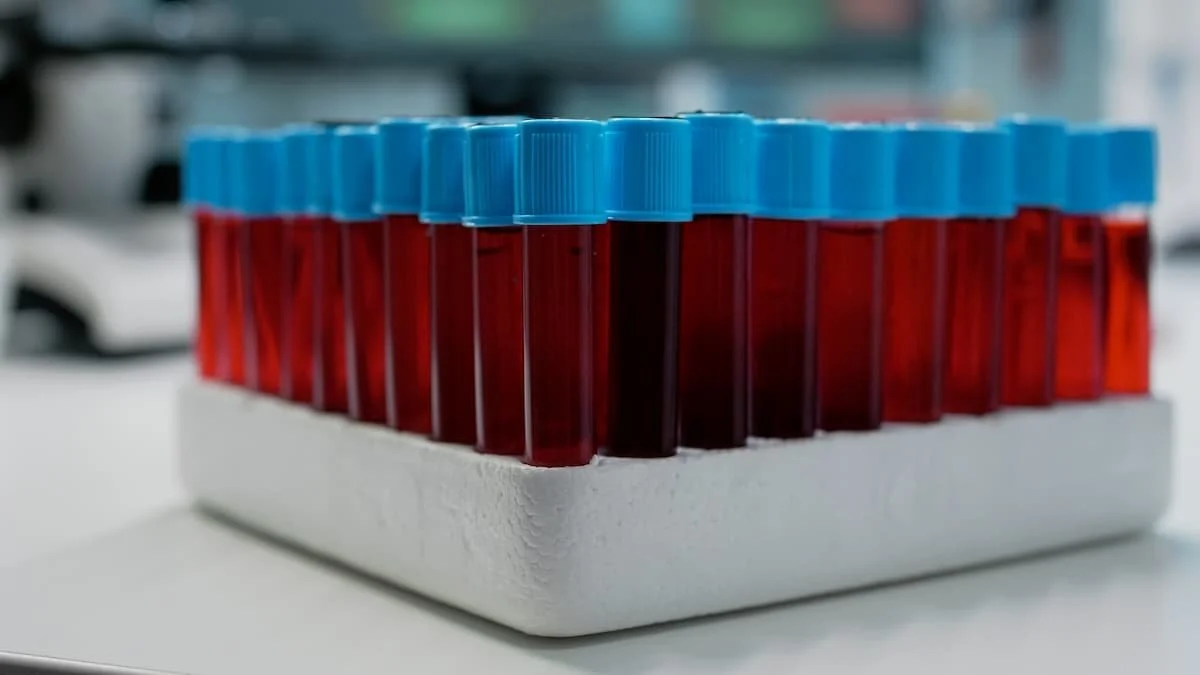
A total testosterone level below 300 ng/dL is a reasonable cutoff in support of the diagnosis, and the diagnosis should be made only after two total testosterone measurements taken on separate occasions, both in the early morning. Testosterone is highest in the morning and varies from day to day, which is why a single reading can mislead. The diagnosis also requires symptoms or signs, not just a number.
Testing quality matters too. Testosterone assays are not standardized across every lab, so the same sample can read low at one lab and normal at another. Using the same lab for repeat tests and a CDC-certified assay improves accuracy.
Depending on your history, a provider may add further tests before recommending treatment. The AUA guideline includes luteinizing hormone to help find the cause, hemoglobin and hematocrit because TRT can raise red blood cell counts, and a PSA for men over 40 to screen for prostate cancer. Men who want to have children should have a fertility evaluation first. A physical exam and a review of your medications are part of the process as well.
What Testosterone Replacement Therapy Involves
Start with approval status. According to the FDA, testosterone products are approved only for men who lack testosterone or have low levels together with an associated medical condition, such as testicular failure from genetic problems or chemotherapy, or problems with the hypothalamus or pituitary. FDA states that none of the approved products are approved for men with low testosterone who lack an associated medical condition. Approved forms include gels, patches, buccal systems applied to the gum, oral products, and injections.
That framework is being revisited. On June 18, 2026, HHS announced that FDA is requesting updates to testosterone prescribing information, including removal of the limitation of use for age-related hypogonadism and revisions to prostate cancer and enlarged prostate language. These are requested label changes, so the wording can shift, and your provider can explain how current labeling applies to you.
When TRT is appropriate, treatment generally follows a set pattern:
Lab-confirmed diagnosis first, as described above.
Dose adjusted to a target. The AUA guideline calls for adjusting the dose to reach a total testosterone level in the middle of the normal range.
Follow-up testing. The guideline recommends checking levels after starting to confirm the target was reached, then every 6 to 12 months while on therapy.
Lifestyle counseling. The AUA recommends that all men with testosterone deficiency be counseled on lifestyle changes as part of treatment.
Commercially manufactured products when possible. The guideline prefers them over compounded testosterone.
It also helps to know what TRT can and cannot do. Men should be told that treatment may improve erectile function, sex drive, anemia, bone density, lean body mass, and depressive symptoms, and that evidence is inconclusive on energy, fatigue, thinking, blood sugar measures, cholesterol, and quality of life. Results vary from man to man. TRT should not be prescribed to men who are currently trying to conceive.
Is Testosterone Replacement Therapy Bad for You? Risks and Side Effects Explained
The accurate answer depends on who is taking it and why. For men with a properly diagnosed deficiency, treatment has clear benefits when a disease of the testes, pituitary, or hypothalamus is the cause, and that providers must weigh those benefits against the risks. For a man without a confirmed deficiency, the risks remain and the benefit is unclear. The main risks and side effects are:
Blood pressure. After required blood pressure monitoring studies, FDA required a new warning about increased blood pressure to testosterone products in 2025.
Heart events. The large TRAVERSE trial, which followed more than 5,200 men, found no meaningful increase in heart attack or stroke. FDA also recommended removing boxed warning language about increased cardiovascular risk in the same 2025 update.
Blood clots and fractures. The Endocrine Society statement notes TRAVERSE also showed roughly a 50% relative increase in pulmonary embolism, a blood clot in the lung, and more fractures among treated men.
Prostate health. Long-term safety, including for prostate cancer, remains unestablished, so screening before treatment and monitoring during treatment are essential. FDA's June 2026 request would narrow the prostate cancer restriction to metastatic disease while still recommending screening and monitoring.
Higher red blood cell count. TRT can raise hemoglobin and hematocrit, which is why they are checked before and during treatment.
Fertility. TRT can lower sperm production and cause infertility, and it can reduce testicle size.
Other effects. Fluid retention, acne, increased urination, breast enlargement, worsening of sleep apnea, and changes in cholesterol are also listed among the potential side effects.
This list is the reason TRT follows a lab-confirmed diagnosis and ongoing monitoring, and the reason it is not appropriate for every man with fatigue or low libido.
TRT and Weight Loss: How They Connect
The relationship between testosterone and body weight runs in both directions. Excess weight, especially around the midsection, is associated with lower testosterone, and low testosterone is associated with more body fat and less muscle, which can make weight loss harder. For men whose low testosterone is tied to being overweight or obese and has no other identified cause, weight loss is typically the first-line therapy.
TRT is not FDA approved for weight loss, and it should not be treated as a substitute for nutrition, strength training, or a medically supervised weight plan. For men with a confirmed deficiency, treatment may support lean body mass, and that can complement a weight plan. Our Men's Weight Loss Program is a structured 30-day plan, and its program page states that TRT labs are required before starting and that regular follow-up labs are required after three months of use. It can also be combined with the Men's Health TRT Program. For a broader look at hormones, metabolism, and medical programs after 40, read our guide to weight loss for men over 40.
When to See a Doctor in Ontario, CA vs. When to Self-Monitor
Self-monitoring is reasonable when symptoms are mild, short-lived, and follow an obvious cause such as a rough stretch of sleep, a stressful month, or a recent illness. Keep a simple log for a few weeks covering energy, sleep, mood, sex drive, and workout performance, and address the basics: consistent sleep, regular strength training, a healthy weight, and moderate alcohol use. Many men find the picture improves.
See a licensed provider when symptoms last more than a few weeks or keep getting worse, when you have erectile difficulty or a persistently low sex drive, or when you notice unexplained muscle loss, breast tissue growth, or bone loss. The AUA guideline also suggests considering testosterone testing, even without symptoms, for men with unexplained anemia, bone density loss, diabetes, a history of chemotherapy or testicular radiation, HIV, chronic opioid use, infertility, pituitary problems, or long-term corticosteroid use. If you are trying to conceive, tell your provider before any hormone treatment is discussed.
Men in Ontario, Chino Hills, Fontana, and the surrounding Inland Empire can schedule an evaluation at our Ontario office.
Why a Consultation Is the Best First Step
You cannot tell from symptoms alone whether low testosterone, thyroid function, sleep apnea, a medication, weight, or stress is behind how you feel. A consultation sorts that out before any prescription is discussed. It covers your symptom history, your medical history and current medications, measurements and vitals, and the lab work your plan depends on. You should leave knowing whether testing is appropriate for you, what your results mean, and what options exist, including TRT, the Men's Weight Loss Program, or other men's health programs.
Image Medical Weight Loss Center is located at 1435 S. Grove Ave #5, Ontario, CA 91761. You can also read patient testimonials to see how other patients have approached the process.
Frequently Asked Questions
What are the signs of low testosterone in men?
Common signs include low energy, reduced sex drive, erectile difficulty, mood changes, loss of muscle and strength, more belly fat, and trouble concentrating. These symptoms have many other possible causes, so a diagnosis requires blood tests plus symptoms.
What testosterone level is considered low?
The AUA guideline uses a total testosterone level below 300 ng/dL as a reasonable cutoff, confirmed on two early-morning tests and combined with symptoms. Lab methods and reference ranges differ, so a provider interprets your results in context.
How much does TRT cost?
Cost depends on the type of treatment, the dose, the lab and follow-up schedule, and the program you choose. Pricing changes, so we do not list a figure here. Call 909-214-4008 or schedule a consultation for current pricing.
Is testosterone replacement therapy bad for you?
It is a prescription hormone with real risks, including increased blood pressure, higher red blood cell counts, reduced fertility, and, in the TRAVERSE trial, more blood clots in the lung and more fractures. For men with a confirmed deficiency, guidelines treat it as a therapy with clear benefits that must be weighed against those risks, with monitoring throughout.
Can I get TRT if my testosterone is normal?
Guidelines tie treatment to low measured testosterone combined with symptoms, and FDA states that none of the approved products are approved for low testosterone without an associated medical condition. Labs come first, and your provider decides what is appropriate.
Will TRT affect my fertility?
It can. TRT can reduce sperm production, and the AUA advises against prescribing it to men who are currently trying to conceive. If having children is a goal, raise it at the start of your consultation.
Get Your Testosterone Levels Checked: Schedule a Consultation
If the signs in this article sound familiar, the next step is a real evaluation rather than a guess. A provider can review your symptoms and history, order the right labs, and explain what the results mean for you. Book an appointment online, contact our team with any questions, or call 909-214-4008.
This article is for general education and is not medical advice. Testosterone products are prescription medications, and whether testing or treatment is appropriate depends on your health history, symptoms, and lab results. Individual results vary. Talk with a licensed provider before starting or changing any treatment.